Teamwork
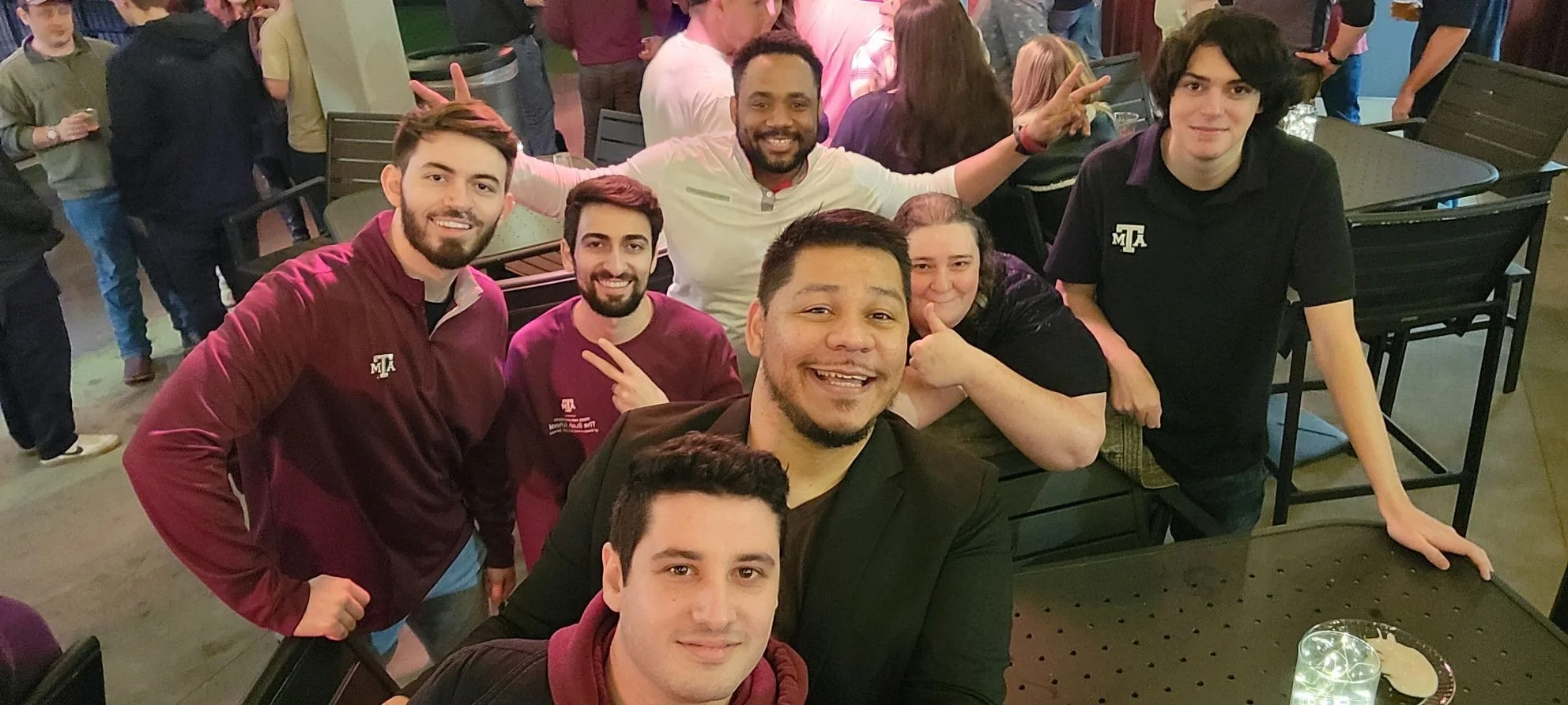
At the Bush School, one of the most formative experiences was the year-long capstone project with Philanthropy Southwest, where our client asked us to develop a framework for measuring the social return on investment (SROI) of philanthropic initiatives. The project was divided into two sub-teams—one focused on foster care outcomes and the other on employment for people with disabilities.
In this environment, teamwork wasn’t optional; it was essential. Each member of the group entered the project with strong leadership skills and highly independent work habits, which initially created friction. As challenges emerged, I relied on tools like CliftonStrengths to better understand my teammates’ work styles, communication patterns, and motivations. This helped shift our dynamic from competing for responsibilities to collaborating toward shared outcomes.
I served as the Project Co-Manager for the capstone, coordinating deliverables within my sub-team and collaborating closely with the manager of the second team to align deadlines, progress, and communication. Our work required interviewing more than a dozen subject matter experts, balancing schedules across students working full- and part-time, analyzing data, and producing a comprehensive funder’s guide.
This experience reinforced that teamwork is not about everyone doing the same thing. It is about recognizing individual strengths, making space for diverse contributions, and building trust throughout the process. By the end of the year, we were no longer a collection of individuals completing parallel tasks—we had become a cohesive team with collective ownership of the work.
“Alone we can do so little; together we can do so much.” — Helen Keller