Written Communication
When I stepped into the role of development assistant for Texas A&M’s newest college, I wasn’t entering a fully built system. There was no long-standing donor base, no institutional playbook, and no well-defined roadmap. This wasn’t a position where I simply carried out a plan—I was helping create one.
Working in a college still defining its identity taught me that development is far more than strategy and timelines. It is storytelling, relationship-building, and trust. I conducted prospect research, maintained a grant calendar, and wrote proposals aligned with funders’ priorities—but every document I drafted was also a conversation starter, a bridge between an emerging academic vision and the people who might support it.
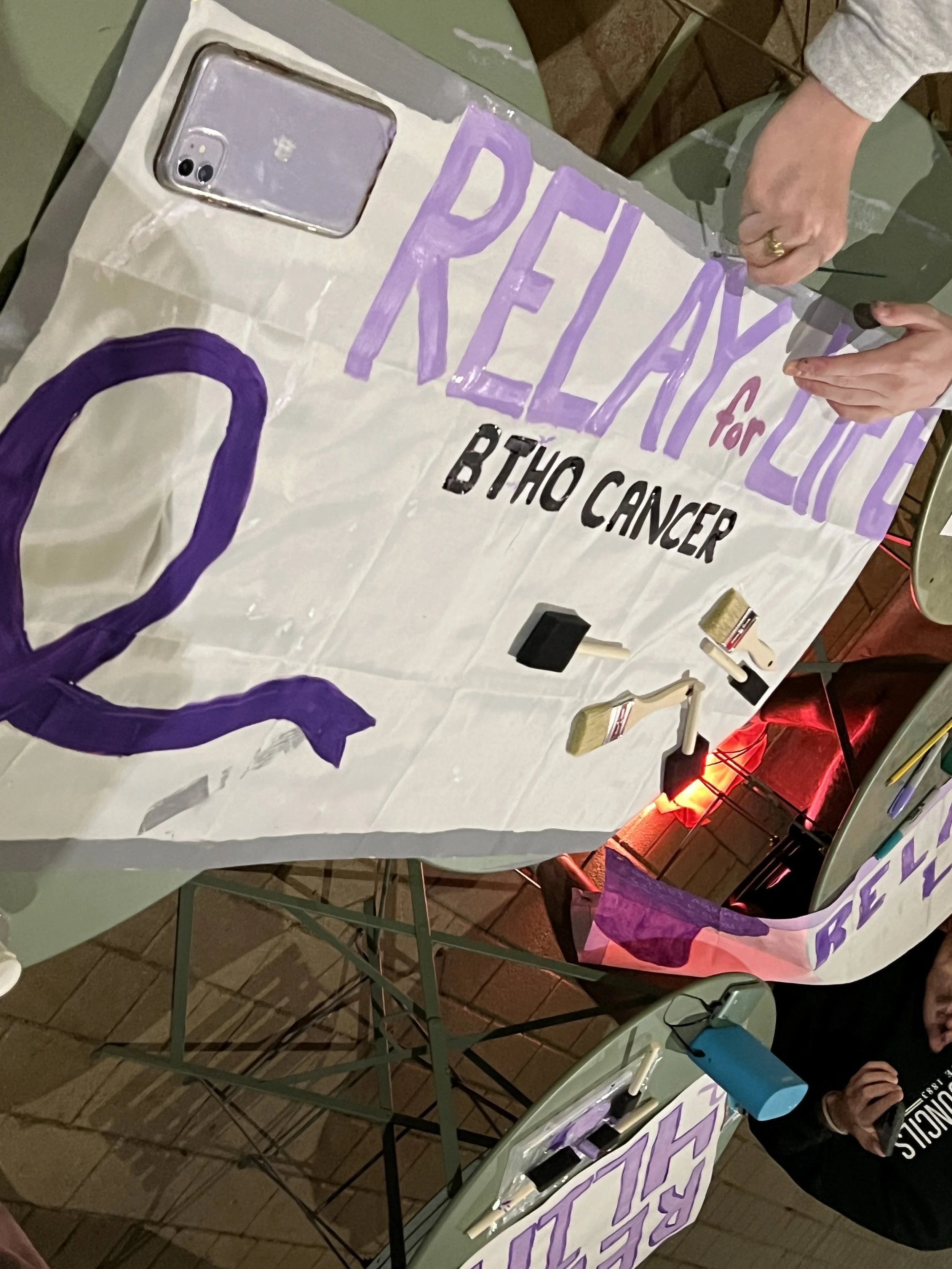
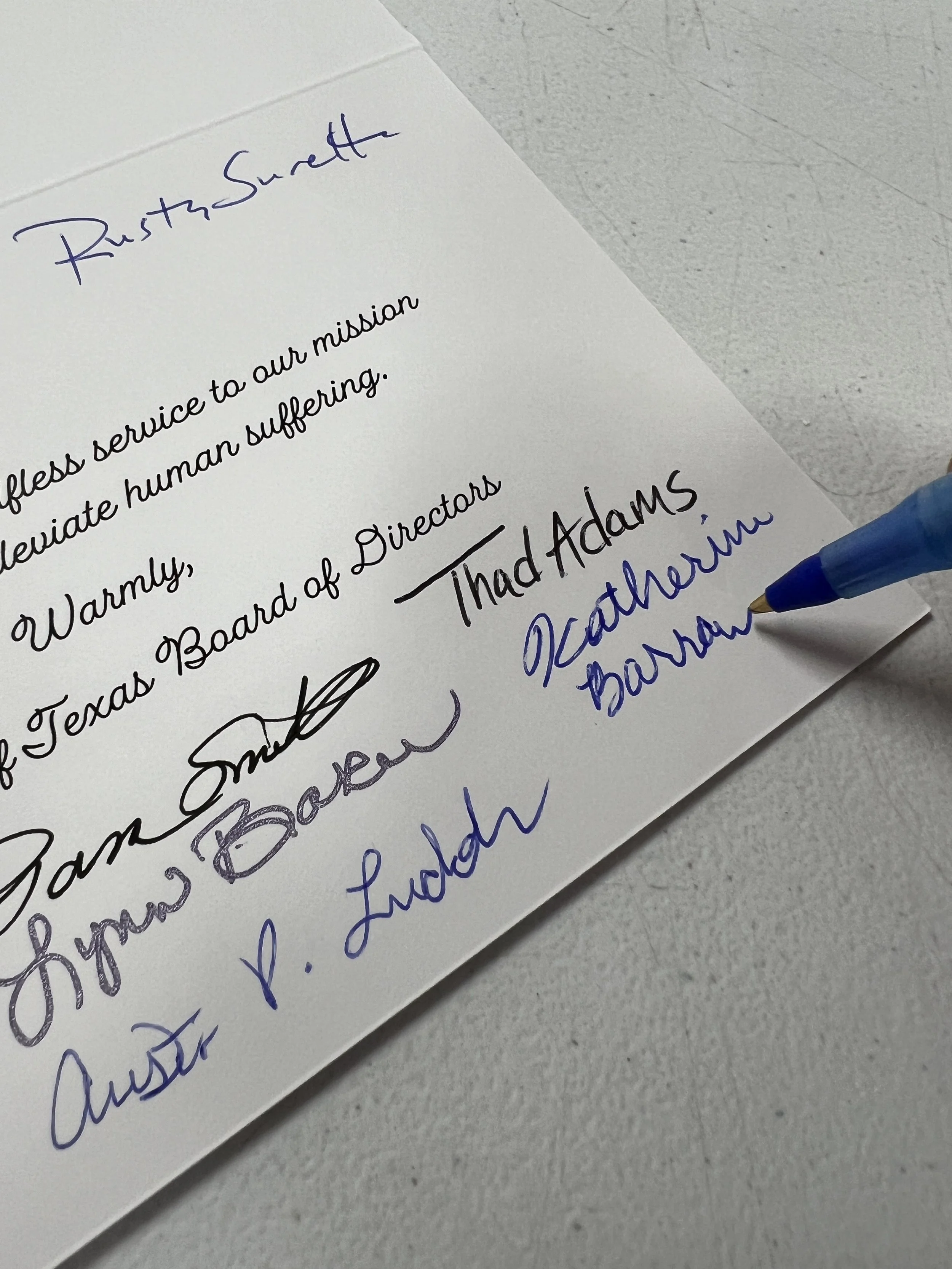
I led a corporate in-kind donation campaign on my own, coordinated a holiday mailout of more than 100 donor gifts, and managed a year-end outreach initiative that reflected the values and aspirations of a college in its early chapters. I wasn’t just coordinating efforts—I was helping determine what those efforts should be. The work required creativity, critical thinking, and a willingness to lead even when the path forward wasn’t clearly marked.
Some of the most meaningful writing I did came through collaborating with faculty. These were not transactional interactions. I needed to understand their priorities, earn their trust, and translate complex academic ideas into clear, compelling narratives. I learned to ask thoughtful questions, listen for what wasn’t being said, and shape messages that connected people to purpose.
This role sharpened my technical skills in writing, program management, and donor relations. But it also deepened my understanding of development as a human practice. Fundraising is not just about securing support—it’s about building something with people. And in a space without precedent, that kind of trust-building wasn’t just important. It was foundational.
“The most powerful person in the world is the storyteller.” — Steve Jobs